Understanding AI Abstract Art Generators
In the rapidly evolving world of digital creativity, AI abstract art generators have emerged as transformative tools that bridge technology and artistic expression. These innovative platforms utilize advanced algorithms and machine learning techniques to create unique abstract artworks based on user inputs. The growing popularity of AI-generated art is revolutionizing how artists, designers, and hobbyists approach their creative processes, offering limitless possibilities that challenge traditional notions of art creation. When exploring options, AI abstract art generator solutions provide comprehensive insights into how technology is reshaping artistic landscapes.
What is an AI Abstract Art Generator?
An AI abstract art generator is a digital tool that uses artificial intelligence to create abstract artworks from text prompts, images, or designated styles. These generators leverage deep learning models trained on vast datasets of existing artwork to produce original pieces that reflect the desired input. By interpreting language or visual cues, these systems can formulate complex compositions, color palettes, and stylistic elements that resonate with users' creative visions.
How AI Transforms the Art Creation Process
The integration of AI into art creation processes democratizes creativity, allowing individuals without formal training to produce visually stunning pieces. Traditional artistic methods often require years of practice and skill development, but AI abstract art generators significantly reduce the barrier to entry. Users can simply input their concepts via text or images and let the AI handle the intricacies of design, composition, and color theory. This shift not only accelerates the creative process but also invites collaboration between human intuition and machine intelligence, resulting in fascinating artwork that neither party could have crafted alone.
Benefits of Using AI in Abstract Art Creation
- Speed and Efficiency: AI can generate art in seconds, making it ideal for quick conceptualization and ideation.
- Endless Creativity: Users can explore a multitude of styles and variations that might not be physically possible through manual methods.
- Accessibility: Provides an entry point for aspiring artists and designers, enabling them to engage with art creation without extensive technical skills.
- Innovation: Pushes the boundaries of traditional art forms, encouraging experimentation and new artistic expressions.
Key Features to Look for in an AI Abstract Art Generator
User-Friendly Interface and Tools
When selecting an AI abstract art generator, the user interface plays a pivotal role in the overall experience. A well-designed, intuitive interface allows users to effectively navigate the platform, input their ideas, and explore different features without experiencing frustration. Tools like sliders to adjust colors, styles, and complexity levels enhance user engagement and creativity, ensuring that even beginners can produce sophisticated artworks.
Variety of Artistic Styles and Options
A comprehensive AI abstract art generator should offer a diverse array of artistic styles, including geometric, fluid, and expressionist themes. This variety enables users to explore different aesthetics and find inspiration in unexpected places. Moreover, the ability to blend multiple styles or modify existing templates adds an extra level of customization, catering to individual artistic preferences.
Integration with Other Creative Platforms
Many artists rely on a suite of creative tools to bring their visions to life. Thus, seamless integration of an AI abstract art generator with other software—such as graphic design programs, social media platforms, or digital galleries—enhances workflow and expands possibilities for sharing and collaborating on projects. This connectivity ensures that users can leverage AI-generated art across multiple platforms and mediums.
Best Practices for Using AI Abstract Art Generators
Maximizing Creativity with AI Suggestions
While AI abstract art generators are powerful tools, users should leverage their suggestions and outputs as starting points rather than final products. Engaging with the AI by tweaking prompts, experimenting with parameters, and iterating on outputs can lead to unexpected breakthroughs in creativity. A balanced approach, where the user remains actively involved in the artistic process, often yields the most rewarding results.
Combining AI with Traditional Art Techniques
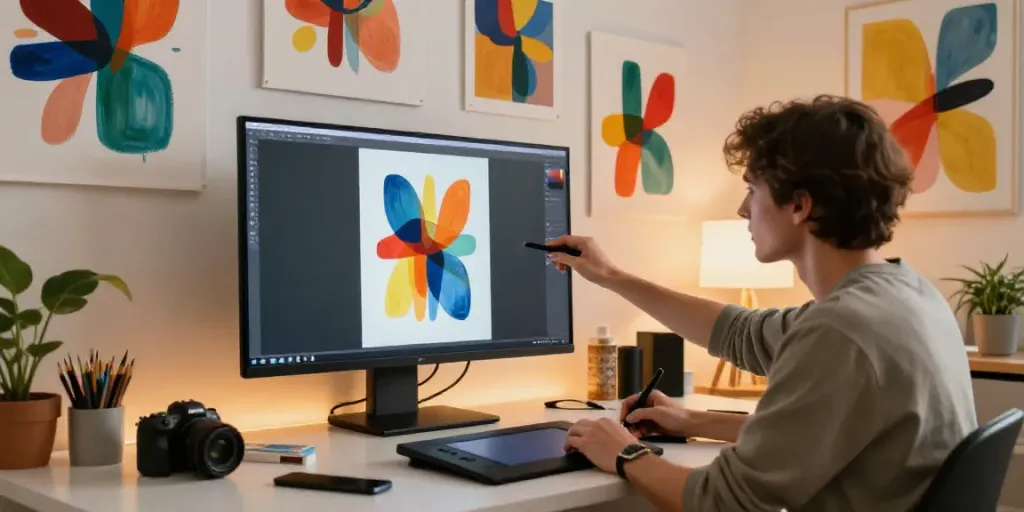
Many contemporary artists are not viewing AI as a replacement for traditional methods but rather as a complement. Combining AI-generated elements with hand-drawn sketches, paintings, or mixed media can result in unique hybrid artworks. This fusion not only preserves the human touch in art but also introduces new dimensions and textures that enhance the visual narrative.
Maintaining Artistic Authenticity in AI Art
As AI-generated art gains popularity, questions about authenticity and originality arise. While AI can produce remarkable works, it’s crucial for artists to infuse their personal style and perspective within the creative process. Developing a signature approach by combining AI outputs with personal artistic elements ensures that the resulting art reflects genuine creativity and individuality.
Challenges and Solutions in AI Art Generation
Common Misconceptions about AI Art
One prevalent misconception is that AI-generated art lacks emotional depth or creative essence. Critics often argue that machines cannot empathize or possess the intrinsic motivations that drive human artists. However, AI serves as a powerful tool that enhances the human creative process, enabling artists to experiment with new ideas and perspectives that they might not have explored otherwise.
Technical Limitations and Workarounds
Despite advancements, AI abstract art generators may still encounter technical limitations, such as inability to interpret complex prompts accurately or generate high-resolution images. Users can navigate these challenges by refining their input prompts, experimenting with different settings, or combining multiple AI tools to achieve the desired outcomes. Staying informed about updates and improvements in AI technology can also help users leverage new features and capabilities.
Legal Considerations in AI-Generated Art
As AI art continues to proliferate, legal questions regarding copyright and ownership are becoming increasingly relevant. Determining the rights of AI-generated works can be complex, particularly when multiple users input prompts or when AI tools are trained on existing artistic styles. Artists and users should remain informed about current laws surrounding intellectual property and explore licensing agreements that protect their work while respecting the rights of others.
Future Trends in AI Abstract Art Generation
Predictions for AI-Driven Art in 2026
Looking ahead to 2026, we can anticipate a significant evolution in the capabilities of AI abstract art generators. With continuous advancements in machine learning, these tools are likely to produce art that is not only visually stunning but also contextually aware, responding to user preferences and cultural trends in real-time. This personalized approach to art generation will create a more engaging and interactive experience.
Emerging Technologies in AI Art Creation
Emerging technologies, such as augmented reality (AR) and virtual reality (VR), will further enhance the art creation process. Artists can harness these technologies to visualize their AI-generated pieces in immersive environments, providing viewers with a dynamic experience that transcends traditional display methods. Such innovations may redefine how audiences interact with and appreciate abstract art.
The Role of AI in the Art Market
As AI-generated art gains traction, it is set to influence the art market substantially. The emergence of digital art as an accepted form of expression has led to increased interest from collectors and investors. We may see AI artists collaborating with traditional creators, resulting in hybrid exhibitions that showcase the intersection of technology and artistry.
What Tools do Artists Need to Use AI Abstract Art Generators?
To maximize the potential of AI abstract art generators, artists should equip themselves with a combination of digital literacy and creative intuition. Familiarity with graphic design software, understanding of color theory, and skills in image manipulation can further enhance the creative process. Additionally, staying updated on the latest advancements in AI technology ensures that artists make the most of these powerful tools.
How Will AI Change the Art Community?
The integration of AI in art creation is set to redefine the artistic community by fostering collaboration, encouraging new forms of expression, and inspiring dialogue about the nature of creativity. As artists from diverse backgrounds embrace AI as part of their toolkit, we can expect a vibrant exchange of ideas and artistic practices that enrich the cultural landscape.
Is AI Art's Popularity Here to Stay?
Given the increasing accessibility and capabilities of AI tools, it is likely that the popularity of AI-generated art will continue to grow. As artists and audiences become more accustomed to the presence of AI in the creative process, the stigma surrounding it will diminish. This acceptance opens up exciting prospects for the future of art, where human creativity and machine intelligence coexist harmoniously.