







1. Understanding GRP Grating
1.1 What is GRP Grating?
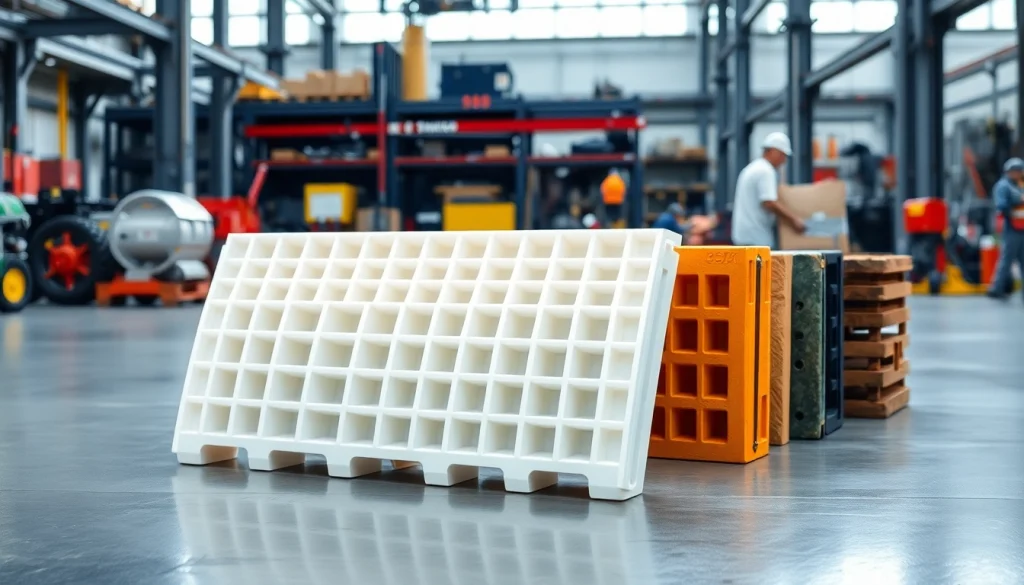
Glass Reinforced Plastic (GRP) grating is a composite material used extensively in various industrial applications. It is made from a combination of fiberglass and resin, which creates a lightweight yet robust structure. GRP grating is ideal for flooring, walkways, and platforms in environments where traditional materials may fail due to corrosion, heaviness, or maintenance drawbacks. Generally, it is favored in locations exposed to harsh weather, chemicals, and heavy foot traffic.
1.2 Benefits of Using GRP Grating
The advantages of employing GRP grating are numerous. First and foremost, it offers an outstanding strength-to-weight ratio, making it significantly lighter than steel or aluminum grating. This feature not only simplifies installation but also reduces shipping costs. Additionally, GRP grating displays remarkable resistance to corrosion, rust, and chemical exposure, ensuring longevity and minimal maintenance requirements. Its non-slip surface adds a layer of safety, making it suitable for both wet and dry environments.
1.3 Applications of GRP Grating
GRP grating is versatile and can be implemented in various settings. Common applications include:
- Industrial plants: Used for walkways, platforms, and trench covers.
- Marine environments: Ideal for docks and offshore platforms where corrosion is a concern.
- Civil engineering projects: Employed in the construction of bridges and pedestrian areas.
- Wastewater treatment facilities: Its resistance to harsh chemicals makes it a popular choice.
2. Choosing the Right GRP Grating Supplier
2.1 Factors to Consider
When selecting a GRP grating supplier, several factors should be taken into account:
- Quality Assurance: Ensure the supplier adheres to industry standards and has a quality control system in place.
- Product Variety: A good supplier should offer a range of products, including different sizes, load capacities, and colors.
- Lead Time: Assess how quickly the supplier can deliver the product without compromising quality.
- Technical Support: Consider suppliers that provide assistance with installation and maintenance.
2.2 Comparing Suppliers
To make an informed decision, compare various suppliers based on price, customer service, and reputation. Look for trusted reviews and testimonials to gauge customer satisfaction. Make sure to inquire about warranties and return policies—these details can indicate the supplier’s confidence in their products.
2.3 Questions to Ask Your Supplier
Before finalizing a supplier, ask the following questions:
- What certifications do your products hold?
- Can you provide samples for testing?
- What are the specific load capacities of your gratings?
- How do you handle product returns or exchanges?
3. Installation Guide for GRP Grating
3.1 Preparation Steps
Proper preparation is crucial for a successful installation. Begin by assessing the site where the grating will be installed. Measure the areas accurately to determine how much grating is needed. Ensure all surrounding infrastructure is in place, as this will impact the installation process. Equip yourself with the necessary tools—drills, saws, and safety equipment will be essential.
3.2 Installation Process
Follow these general steps for installation:
- Lay the panels of GRP grating according to your measurements, ensuring to leave expansion gaps as necessary.
- Secure the panels in place using appropriate fasteners, ensuring they are flush with the surface beneath.
- Use spacers to maintain equal distances between panels.
- Once installed, conduct a weight test to check stability before use.
3.3 Common Mistakes to Avoid
To prevent common installation mistakes, avoid:
- Failing to measure areas accurately, which can lead to material shortages.
- Not considering load distribution, causing premature failure.
- Ignoring local regulations regarding safety and material standards.
4. Maintenance of GRP Grating
4.1 Routine Cleaning Tips
Regular maintenance can extend the life of GRP grating. Clean the surfaces with soapy water and a brush to remove dirt and debris. Rinse thoroughly to prevent buildup. For more stubborn stains, use a mild abrasive cleaner, making sure not to damage the grating surface.
4.2 Repairing Damaged Grating
If the grating is damaged, repair options include:
- Replacing specific panels if the damage is localized.
- Using a resin-based filler for small cracks.
- Consulting a professional for extensive damage, especially if it compromises safety.
4.3 Longevity and Lifespan
GRP grating is designed for durability, typically having a lifespan of over 20 years with proper maintenance. Factors influencing this lifespan include environmental conditions, load capacities, and frequency of use. Regular inspections can help identify potential issues early.
5. Frequently Asked Questions about GRP Grating
5.1 How is GRP grating different from metal grating?
GRP grating is lighter, corrosion-resistant, and does not conduct electricity, making it safer in wet environments compared to metal grating.
5.2 Can GRP grating be used in wet environments?
Yes, GRP grating is ideal for wet environments due to its slip-resistant surface and resistance to corrosion and rot.
5.3 What load capacities do GRP gratings support?
GRP gratings are available in various load capacities, typically ranging from lightweight for pedestrian use to heavy-duty options for industrial applications.
5.4 How do I know what size GRP grating I need?
Measure the area where the grating will be installed and account for any specific load requirements. Consult with suppliers for guidance on size options.
5.5 Are there color options available for GRP grating?
Yes, GRP grating is available in various colors, allowing for customization to match aesthetic or safety requirements.
For durable and resilient solutions in grating needs, consider connecting with a reliable GRP Grating Supplier.