







The Importance of Choosing a GRP Grating Supplier
When it comes to construction and industrial applications, selecting the right materials can significantly impact performance, durability, and safety. One such critical material is Glass Reinforced Plastic (GRP) grating. This innovative product has emerged as a preferred choice due to its remarkable properties and varied applications across different sectors. For those considering GRP solutions, understanding the role of a reliable GRP Grating Supplier is crucial in ensuring they receive high-quality products tailored to their needs.
Understanding GRP Grating
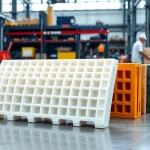
GRP grating, also referred to as fiberglass grating, is manufactured using a composite material made of glass fibers and polymer matrix. This combination provides several benefits, including high strength-to-weight ratio, resistance to corrosion, and suitability for various chemical environments. GRP grating is produced through two main methods: molded and pultruded, each offering distinct characteristics that cater to specific applications.
Benefits of GRP Grating in Various Industries
The versatility of GRP grating makes it an ideal solution for multiple industries. Its key benefits include:
- Corrosion Resistance: GRP grating can withstand harsh chemicals and environmental conditions, making it suitable for industries such as chemical processing, oil and gas, and waste treatment.
- Lightweight Nature: The material is significantly lighter than traditional metals, reducing transportation costs and ease of installation.
- Safety Features: Many GRP gratings are available in slip-resistant finishes, making them suitable for walkways and industrial flooring where safety is paramount.
- Cost-effective Lifecycle: Although initial costs may vary, the long-term benefits of GRP grating in terms of maintenance and durability can lead to significant cost savings.
Advantages of GRP Gratings
Lightweight and Durable Features
One of the standout characteristics of GRP grating is its exceptional strength-to-weight ratio. Due to its lightweight nature, transport and installation processes are simplified, ultimately contributing to faster project completions. Despite its lightness, it remains durable under substantial loads, making it a reliable choice in environments that experience heavy footfall and machinery.
Corrosion Resistance and Maintenance
GRP grating exhibits remarkable resistance to corrosion, thereby prolonging its operational life. In industries dealing with corrosive substances, GRP significantly reduces the likelihood of degradation over time. Furthermore, this material is easy to maintain as it does not require extensive cleaning protocols that are typical with metal grating. A simple wash-down with soap and water typically suffices to maintain its performance and aesthetics.
Cost Efficiency Over Time
While the initial investment in GRP grating may be higher than lower-quality options, it typically pays off over time in terms of durability and minimal maintenance costs. Business owners can expect a return on investment through the elimination of replacement costs associated with rusting or degrading materials, further enhancing the practical appeal of choosing a quality GRP Grating Supplier.
Applications of GRP Grating
Industrial Use Cases
GRP grating finds extensive application in various industrial environments, including:
- Chemical Plants: GRP grating is commonly used for walkways, platforms, and staircases within chemical processing facilities due to its resistance to hazardous materials.
- Water Treatment Plants: Its corrosion-resistant properties make GRP ideal for environments that handle both potable and non-potable water.
- Oil and Gas Industry: Applications in offshore platforms employ GRP due to its lightweight design and ability to withstand aggressive conditions.
Construction and Architectural Applications
Architects and civil engineers appreciate GRP grating for its aesthetic versatility and functional capabilities. Its design flexibility allows for customized shapes, colors, and sizes that can enhance architectural appeal while providing safety and utility. GRP grating can be utilized in:
- Lightweight Flooring Systems: Ideal for modern structures where weight considerations are essential.
- Balcony and Decking Solutions: When slip resistance is required, GRP grating offers a practical solution that blends safety with design.
Transportation and Safety Solutions
In transportation infrastructures such as railways and airports, GRP grating is beneficial for walkways and access points. Its lightweight and durable properties improve overall safety for passengers and maintenance personnel. In addition, GRP grating provides an impact-resistant flooring option that can withstand the rigors of dynamic environments.
Installation Tips from a GRP Grating Supplier
Preparing the Installation Site
Before installation, it’s crucial to assess the site and prepare the foundation where the GRP grating will be placed. Ensuring that the installation surface is level and clear of debris will promote better performance and longevity of the grating system.
Aligning and Securing the Grating
Once the area is prepped, aligning the GRP grating panels accurately is essential for efficient installation. Use manufacturer guidelines to secure the grating using clips or fasteners that are specified for the type of grating. Proper alignment will prevent shifting and enhance safety.
Post-Installation Maintenance Guidelines
Upon completing the installation, it’s beneficial to perform a post-installation inspection. A simple cleaning can remove any installation debris. Conducting periodic inspection and maintenance, such as surface cleaning and checking for any signs of wear and tear, will extend the lifespan of the GRP grating.
Frequently Asked Questions About GRP Grating
What is GRP Grating?
GRP grating is a composite material made from glass fiber reinforced plastic, using either molded or pultruded manufacturing methods. It’s widely used in various industries for its strength and durability.
How long does GRP grating last?
With proper installation and maintenance, GRP grating can last between 20 to 30 years, depending on exposure to harsh environments and usage patterns.
Is GRP grating slip-resistant?
Many GRP grating options come with slip-resistant surfaces designed for safety in both dry and wet conditions, making them suitable for various applications.
Can GRP grating be customized?
Yes, GRP grating can be customized in terms of size, color, and type of slip-resistant finish to meet specific project requirements or preferences.
Where is GRP grating most commonly used?
GRP grating is prevalent in chemical processing, water treatment, construction, and transport sectors, addressing needs in both safety and durability.