




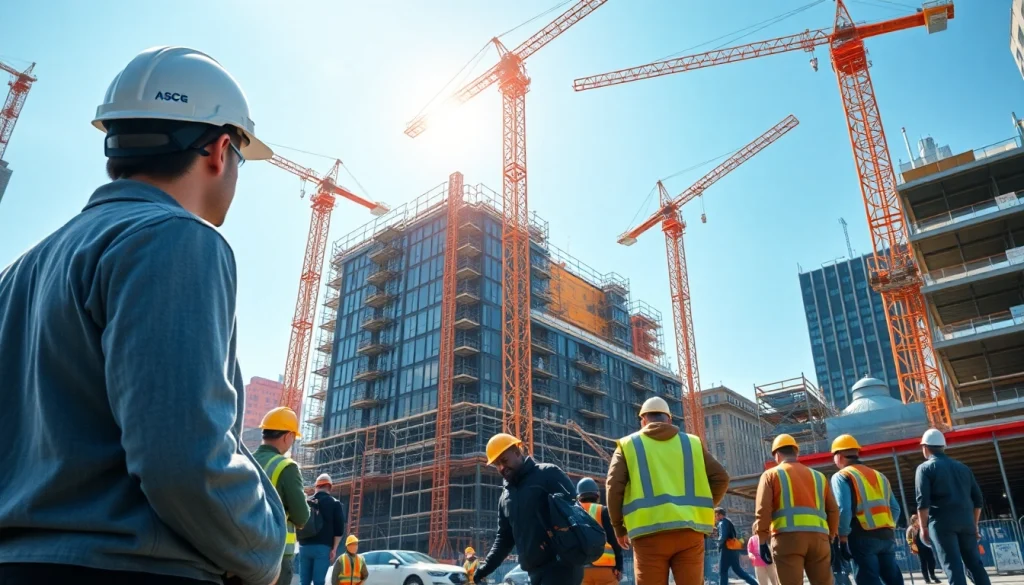
Understanding the Role of a Manhattan Construction Manager
In the dynamic landscape of urban development, the role of a Manhattan Construction Manager is pivotal. These professionals are responsible for overseeing the entire construction process, ensuring that projects are completed on time, within scope, and under budget. This article delves into the intricacies of this role, exploring responsibilities, project importance, and daily operational decision-making.
Defining Responsibilities and Skills
A Manhattan Construction Manager wears multiple hats, encompassing various responsibilities that advance project objectives. Key duties include:
- Project Planning: Developing detailed project plans, including timelines and milestones.
- Team Coordination: Leading teams of contractors, architects, and engineers to ensure collaboration.
- Budget Management: Overseeing financial aspects, including estimates, budgets, and expenditures.
- Quality Control: Ensuring construction standards meet local codes and client expectations.
- Risk Management: Identifying potential project risks and implementing mitigation strategies.
To be effective in this role, a construction manager must possess strong communication, leadership, and analytical skills. Additionally, a comprehensive understanding of construction processes, materials, and regulations is critical.
Importance in Project Success
The success of construction projects heavily relies on the leadership and decision-making capabilities of the construction manager. They act as liaisons between the stakeholders, including clients and contractors, ensuring that everyone is aligned with project goals. Their ability to effectively manage conflicts, adapt to changes, and facilitate problem-solving can mean the difference between project success and failure.
Daily Operations and Decision Making
A typical day for a Manhattan Construction Manager is varied and often unpredictable. Managers begin their day by reviewing project statuses, addressing any immediate concerns, and evaluating progress against planned timelines. Effective decision-making is crucial as managers frequently have to tackle unexpected challenges, such as supply chain delays or logistical issues. They must rapidly assess situations, foresee impacts on project timelines, and execute solutions efficiently.
Key Features of Effective Construction Management in Manhattan
Effective construction management incorporates strategic planning, precise execution, and diligent oversight. The following features are integral to success in managing construction projects in Manhattan:
Planning and Scheduling Projects
Comprehensive planning is the first step toward successful construction management. This involves developing a well-defined project schedule that includes:
- Milestones: Clear checkpoints to track progress.
- Activity Dependencies: Understanding how delays in one task may impact others.
- Time Allocation: Ensuring sufficient time management resources for each task.
Utilizing modern project management tools can aid in maintaining an organized workflow and improving communication among project participants.
Cost Management and Budgeting
Cost control is another critical component. Construction managers must create a detailed budget that forecasts expenditures throughout the project lifecycle. They should monitor progress against the budget regularly, adjusting expenditures as needed to avoid overruns. Techniques such as value engineering can help identify cost-effective solutions without compromising quality.
Risk Assessment and Mitigation Strategies
Every construction project carries inherent risks. A successful Manhattan Construction Manager proactively assesses these risks through comprehensive risk management strategies. Steps to mitigate risks include:
- Site Analysis: Conducting thorough site assessments to identify potential hazards.
- Contingency Planning: Preparing alternative plans for potential project disruptions.
- Insurance and Compliance: Ensuring necessary insurances and compliance with all local regulations.
By anticipating risks and developing actionable responses, construction managers can safeguard projects against unforeseen circumstances.
Trends Influencing Construction Management in Manhattan
The construction industry in Manhattan is constantly evolving, influenced by several key trends that shape management practices:
Sustainable Building Practices
The increasing importance of sustainability in construction cannot be overstated. Construction managers must advocate for eco-friendly materials and construction methods, meeting client desires for green building certifications. From sourcing sustainable materials to implementing energy-efficient practices, the goal is to reduce environmental impacts while ensuring safety and compliance.
Technological Innovations in Construction
Technology has revolutionized the construction industry. Innovative tools such as Building Information Modeling (BIM), drones, and project management software optimize construction processes, improve accuracy, and enhance collaboration. Embracing these technologies can significantly boost productivity and efficiency on the job site.
Regulatory Changes and Compliance
Staying abreast of regulatory changes is crucial for a Manhattan Construction Manager. Construction codes and safety regulations are frequently updated, requiring managers to ensure that projects remain compliant throughout their duration. Continuous education and training are essential to adapt to these changes effectively.
Challenges Faced by Manhattan Construction Managers
The construction industry poses unique challenges, especially in metropolitan environments like Manhattan. Understanding these challenges can enhance problem-solving and project success:
Urban Constraints and Site Limitations
Working in an urban setting introduces constraints such as limited space, complex zoning laws, and logistical challenges in material transport. Construction managers must navigate these limitations by developing creative methodologies, leveraging vertical construction techniques, and ensuring clear communication with all stakeholders.
Stakeholder Communication and Management
Effectively managing stakeholder relationships is crucial. Construction managers must communicate clearly with clients, contractors, and suppliers to keep everyone informed and engaged. Utilizing regular updates, collaboration tools, and feedback loops can help maintain transparency and foster trust.
Keeping Projects on Time and Within Budget
Ensuring projects stay on schedule and within financial parameters is always a challenge. A robust project schedule, combined with diligent monitoring of progress and expenses, can help stay on track. Utilizing project tracking tools and conducting regular site meetings can aid in anticipating delays and addressing them proactively.
Future Outlook for Construction Management Careers in Manhattan
The outlook for construction management careers in Manhattan appears positive, driven by high demand for skilled professionals in a burgeoning market. Future trends point toward continued growth and evolution in the field:
Job Market Trends and Opportunities
The job market for construction managers is projected to grow as urban development initiatives expand. There is increasing demand for professionals who can manage complex projects in high-density areas, particularly those knowledgeable in emerging trends such as sustainable construction.
Professional Development and Education Paths
To remain competitive, aspiring construction managers should seek relevant education and professional development opportunities. Advanced degrees and certifications in construction management can provide a significant advantage. Continuous learning is essential to adapt to new technologies and industry standards.
Networking and Industry Engagement
Building a professional network is pivotal for career growth in construction management. Engaging with industry associations, attending conferences, and participating in local workshops can provide valuable insights and enhance visibility within the field. This engagement also opens doors to mentorship and collaboration opportunities, fueling career advancement.
FAQs
What are the responsibilities of a construction manager?
A construction manager oversees project planning, team coordination, budget management, quality control, and risk mitigation. They ensure projects are completed efficiently and meet client specifications.
How important is communication in construction management?
Effective communication is essential. It helps maintain transparency among stakeholders, resolves conflicts, and ensures everyone is aligned with project goals, crucial for project success.
What skills are needed to become a successful construction manager?
Key skills include strong leadership, effective communication, analytical thinking, and financial acumen. Additionally, understanding construction processes and regulations is vital.
What trends are shaping construction management today?
Trends include sustainable building practices, technological innovations, and changing regulations. Embracing these changes helps construction managers stay competitive and relevant.
What is the job outlook for construction managers in Manhattan?
The job outlook is positive, with increasing demand for skilled professionals in urban development. Advancements in construction technology also elevate career prospects in this field.