
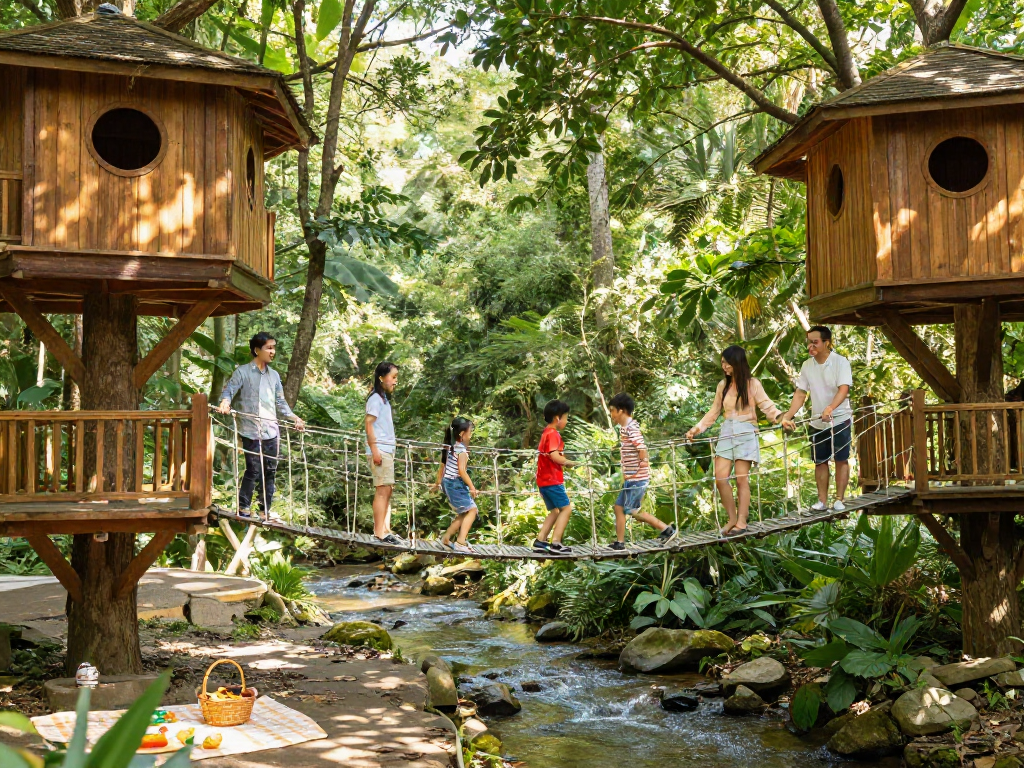
Understanding Rope Bridges and Their Functionality
Rope bridges are an intriguing blend of adventure and engineering, often evoking images of exploration in the wild. These structures provide not only passage over difficult terrain but also serve as a delightful feature in backyards, treehouses, and playgrounds. With their ability to capture the imagination of children and adults alike, Rope Bridge designs are becoming increasingly popular for enhancing outdoor experiences. In this article, we will delve into the various types of rope bridges, their benefits, and how they can be seamlessly integrated into your outdoor activities.
What is a Rope Bridge?
A rope bridge is a type of bridge that employs ropes as the primary structural elements, allowing for flexible and sometimes suspended pathways. The design typically consists of a series of ropes strung between two points, supplemented by a deck made from various materials, often wood or composite materials, that provide a surface to walk on. Rope bridges can be simple or complex, with some designed for practical use, while others are purely for fun and adventure.
Types of Rope Bridges Available
Rope bridges come in several variations, each catering to different needs and aesthetics:
- Suspension Rope Bridges: These bridges are designed to span great distances and allow for flexibility in structure. They are often used in parks and adventure playgrounds.
- Simple Rope Bridges: Typically shorter and less complex, these bridges are easy to construct and are ideal for children’s play areas or less challenging terrains.
- Hammock Bridges: Made from fabric or rope, these bridges offer a fun, bouncy experience and can be used in tandem with traditional rope bridges.
- Adventure Rope Bridges: Engineered for use in rope courses, these bridges are often found in adventure parks and are designed to test agility and strength.
Benefits of Incorporating Rope Bridges in Outdoor Activities
Rope bridges offer a multitude of benefits, enhancing not just physical activities but also social interaction and problem-solving skills:
- Physical Development: Crossing a rope bridge engages various muscle groups, improving strength, balance, and coordination.
- Cognitive Skills: Navigating a rope bridge requires strategic thinking and planning, promoting mental agility and problem-solving.
- Social Interaction: Rope bridges encourage teamwork, as friends and family collaborate to cross together or set challenges for one another.
- Adventure and Fun: They invoke a sense of adventure, transforming any outdoor space into a playground of exploration.
Designing the Perfect Rope Bridge for Your Home
Creating a rope bridge at home can be an exciting project, but careful consideration is necessary to ensure safety and durability. Using the right materials and adhering to safety regulations can make all the difference.
Material Selection for Longevity and Safety
The materials you choose for your rope bridge significantly influence its safety and lifespan. Common choices include:
- Ropes: Nylon and polyester ropes are popular due to their durability and resistance to environmental factors.
- Decking: Wood is a traditional choice, but composite materials can also be used for their weather-resistant qualities.
- Anchors and Supports: Ensure you use strong, rust-resistant metal components for securing the bridge effectively.
Safety Regulations and Guidelines for Home Installations
When installing a rope bridge, adhere to safety regulations to prevent accidents. It's essential to:
- Consult local building codes regarding height and weight limits.
- Ensure proper installation of safety features, such as handrails and netting.
- Conduct regular safety inspections to maintain structural integrity.
Creative Design Ideas for Unique Rope Bridges
Customising your rope bridge can make it a distinctive feature of your outdoor space. Consider the following ideas:
- Themed Bridges: Design your bridge around a specific theme, such as a jungle or pirate adventure.
- Multi-Level Platforms: Incorporate varying heights to add excitement and challenge to the crossing.
- Artistic Elements: Add colour and creativity with painted ropes or decorative elements suspended along the bridge.
Building Your Rope Bridge: Step-by-Step Process
Constructing a rope bridge can be a fulfilling DIY project, allowing for personalisation and creativity. Follow these steps to ensure a successful build.
Tools and Equipment Needed for Construction
Before you start, gather the following tools and materials:
- Power drill
- Measuring tape
- Rope and decking materials
- Anchoring hardware
- Safety gear (gloves, goggles)
Foundational Steps for Building a Secure Structure
Begin your construction by selecting a suitable location and ensuring proper elevation. Here are key steps:
- Measure the distance between the anchor points to determine the length of rope required.
- Install secure anchor points using trees or sturdy posts.
- Cut the rope lengths as needed and loop them through the anchor points securely.
- Attach the decking material, ensuring it is evenly spaced and secure.
Additions to Enhance the Rope Bridge Experience
Consider integrating additional elements to make your rope bridge more exciting:
- Slides: Attach a slide at one end for easy access down from the bridge.
- Zip Lines: Combine your rope bridge with a zip line for a thrilling descent.
- Canopies: Add fabric canopies for shade or aesthetic appeal.
Maintenance Tips for Your Rope Bridge
To ensure your rope bridge remains safe and functional, regular maintenance is crucial. Follow these guidelines:
Regular Inspections and Safety Checks
Conduct routine inspections to check for signs of wear or damage. Look for:
- Fraying or breaking ropes
- Stability of anchor points
- Integrity of decking materials
Keeping Your Rope Bridge Clean and Weatherproof
Maintaining cleanliness and protecting against weather elements will prolong the lifespan of your bridge. Regularly:
- Clean the surface with a mild detergent to remove dirt and algae.
- Inspect for rust on metal components and apply protective coatings as necessary.
Signs of Wear and When to Consider Repairs
Be vigilant for signs indicating that your rope bridge may need repairs, such as:
- Loose fittings or anchors
- Visible wear on ropes or decking
- Unstable walking surfaces
Future Trends in Rope Bridge Design and Usage
As outdoor recreational spaces evolve, so do the designs and functionalities of rope bridges. Understanding these trends can help you stay ahead of the curve.
Innovative Materials and Technologies Emerging by 2026
Future designs are likely to utilise advanced materials that offer enhanced durability and reduced environmental impact, such as composite ropes that mimic natural fibres while providing superior strength and longevity.
Environmental Considerations in Bridge Design
The push for sustainability is influencing bridge designs, with considerations for minimal environmental disruption and use of recycled materials becoming standard practice.
Community and Recreational Uses of Rope Bridges
Rope bridges are increasingly being recognised for their community-building potential. Parks are using them as features in obstacle courses, promoting physical activity, and social interaction among residents.
What is a rope bridge called?
Rope bridges are often referred to by their specific design, such as suspension bridges, but the generic term 'rope bridge' encompasses all types that utilise ropes for structural support.
How do you make a rope bridge?
To make a rope bridge, you'll need to select suitable anchor points, choose durable materials, and follow a structured building process that prioritises safety and stability.
What type of rope is best for a rope bridge?
The best rope for a rope bridge is typically a high-strength polyester rope, which offers excellent durability and moisture resistance, making it ideal for outdoor use.
Why are rope bridges popular for treehouses?
Rope bridges add an element of adventure to treehouses, providing children with a fun and safe way to navigate between various treehouse structures, enhancing imaginative play.
How can I ensure the safety of my rope bridge?
To ensure safety, regularly inspect structural components, adhere to building regulations, and install safety features such as handrails or nets to prevent falls.