Understanding Double Girder Bridge Cranes
In the world of material handling, the double girder bridge crane stands out as a key player, especially for heavy-duty applications. These cranes are designed with two parallel girders, allowing for greater lifting capacities and spans compared to their single girder counterparts. As industries evolve and demands for efficiency increase, understanding the mechanics and advantages of double girder bridge cranes becomes vital. When exploring options, double girder bridge crane systems provide comprehensive insights into modern lifting solutions.
What Is a Double Girder Bridge Crane?
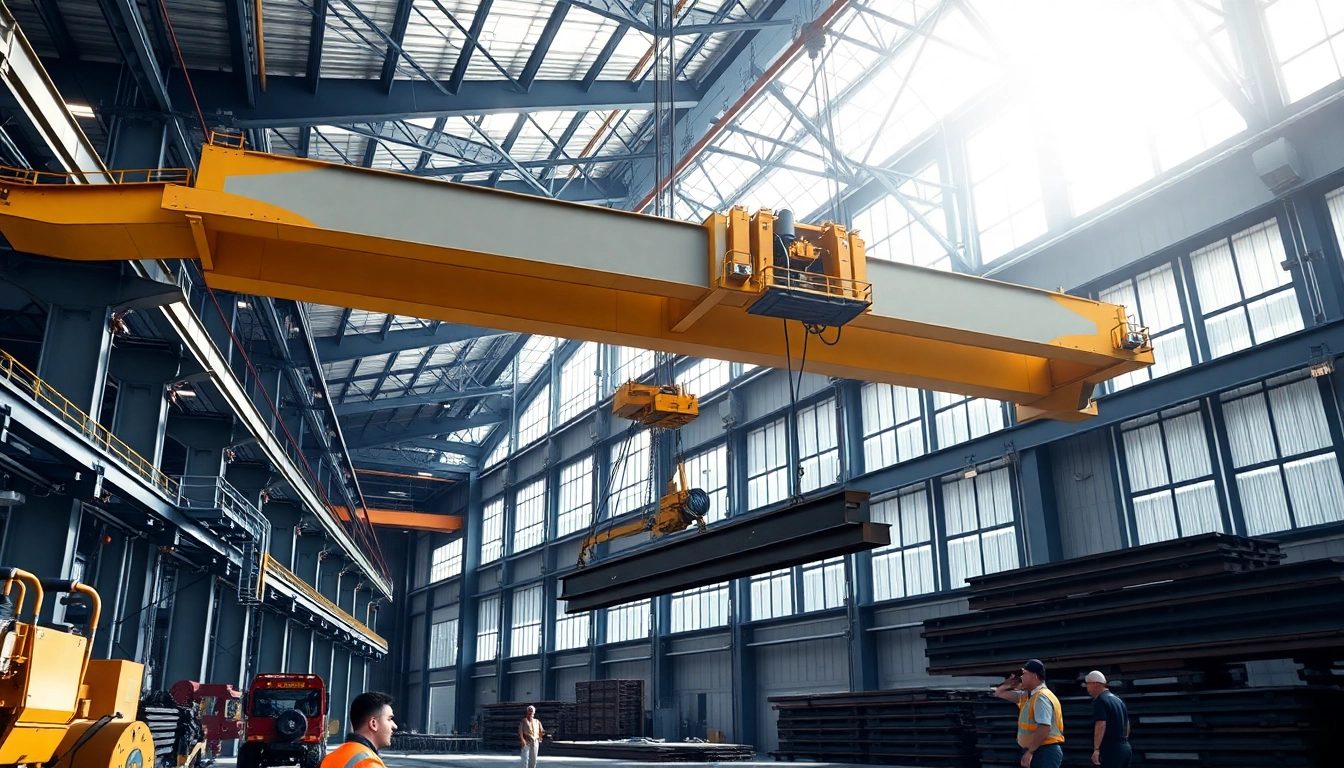
A double girder bridge crane is an overhead crane that utilizes two main girders spanning the entire length of the crane's runway. These girders are typically made from high-strength steel and are equipped with end trucks that allow them to roll along the runways. The hoist, which is used to lift loads, travels on the lower flanges of the girders, providing a more stable and robust lifting mechanism. This design is especially beneficial for handling heavy loads, making it a popular choice in various industrial settings.
Key Components and Functionality
Understanding the components of a double girder bridge crane is essential for appreciating its capabilities:
- Main Girders: The backbone of the crane, these girders support the entire structure and the loads being lifted.
- End Trucks: These are mounted on each end of the girders, facilitating movement along the runway.
- Hoist Mechanism: This includes the actual lifting device and is often equipped with a trolley that travels along the girders.
- Controls: Modern cranes are equipped with sophisticated control systems that allow for precise movements and safety features.
The synergy of these components results in a crane capable of lifting heavy loads with impressive precision and reliability.
Advantages Over Single Girder Cranes
While single girder cranes have their advantages, double girder bridge cranes offer several key benefits:
- Increased Capacity: The dual-girder configuration supports heavier loads, making it ideal for industrial applications requiring significant lifting power.
- Wider Span: Double girder cranes can span greater distances, allowing for more effective coverage in large facilities.
- Stable Lifting: The dual-girder design enhances stability, reducing the risk of tipping or swaying during heavy lifts.
- Enhanced Hook Height: With the hoist traveling underneath the girders, double girder cranes generally offer higher hook heights, which is beneficial for tall loads.
Applications and Industries
Common Applications for Double Girder Bridge Cranes
Double girder bridge cranes are versatile and can be employed in various settings, including:
- Manufacturing: For assembly lines or moving heavy machinery.
- Steel Mills: Handling large steel beams and materials.
- Warehousing: Efficiently moving pallets and goods within large storage spaces.
- Construction: Lifting and positioning heavy construction materials.
Industries That Benefit from Their Use
Several industries particularly benefit from the efficiency and capabilities of double girder bridge cranes:
- Aerospace: For transporting heavy aircraft components.
- Automotive: In manufacturing and assembly of vehicles.
- Energy: For installation and maintenance of large turbines and generators.
- Shipbuilding: Essential for moving large ship parts and sections during construction.
Case Studies: Successful Implementations
To illustrate the effectiveness of double girder bridge cranes, consider the following examples:
- Aerospace Manufacturer: A leading aerospace firm implemented double girder cranes to enhance their assembly processes, resulting in a 30% reduction in load handling time.
- Construction Site: At a major construction site, double girder cranes were used to lift massive concrete slabs. The cranes improved efficiency, enabling the project to finish ahead of schedule.
Choosing the Right Double Girder Bridge Crane
Factors to Consider: Capacity and Span
When selecting a double girder bridge crane, several key factors must be evaluated:
- Load Capacity: Determine the maximum weight the crane needs to lift regularly.
- Span Length: Assess how far the crane needs to reach across the work area.
- Height of Lift: Consider the vertical distance of the maximum lift.
Customization Options for Specific Needs
Double girder cranes can be tailored to meet specific operational needs. Customization options include:
- Specialized Hoists: Different hoists can be used depending on the type of material being lifted.
- Control Systems: Advanced control options, including radio remote controls and automated features, can enhance safety and efficiency.
- Additional Features: Some cranes can be fitted with accessories like load weighing systems to provide real-time data on lifting operations.
Comparison with Other Crane Types
Understanding how double girder cranes compare to other crane types is crucial for making an informed choice:
- Single Girder Cranes: While typically less expensive, they offer lower lifting capacities and spans.
- Jib Cranes: Ideal for localized lifting but not suitable for larger spans or heavy loads.
- Gantry Cranes: Effective for outdoor use where overhead runways are impractical.
Safety and Maintenance Practices
Best Practices for Safe Operation
Operating a double girder crane safely requires adherence to specific protocols:
- Training: All operators should receive comprehensive training on crane operation and safety procedures.
- Inspections: Regular inspections should be conducted to identify any wear and tear or potential issues.
- Load Limits: Operators must strictly adhere to load capacity guidelines to prevent accidents.
Routine Maintenance Checklist
Regular maintenance is vital for longevity and safe operation. A typical maintenance checklist includes:
- Lubricating moving parts
- Inspecting wire ropes and hooks for damage
- Testing emergency stop systems
- Verifying electrical connections and controls
Common Issues and Troubleshooting Tips
Even with diligent maintenance, issues may arise. Here are common problems and troubleshooting tips:
- Unresponsive Controls: Check power supply and inspect the control system for faults.
- Uneven Lifting: Ensure the load is balanced and check the hoist for mechanical issues.
- Excessive Noise: Investigate for misaligned parts or insufficient lubrication that could cause wear.
Future Trends in Cranes
Innovations to Expect in 2025
The crane industry is poised for significant advancements, particularly with the incorporation of technology:
- Smart Technology: Integration of IoT devices to monitor crane performance and maintenance needs in real-time.
- Data Analytics: Use of data for optimizing load handling and improving operational efficiency.
- Augmented Reality (AR): Training and operational assistance through AR applications to enhance operator understanding.
Sustainability in Crane Operations
As industries move towards more sustainable practices, cranes are not left behind:
- Energy Efficiency: New designs focus on reducing energy consumption through better materials and technologies.
- Recyclable Materials: Increased use of recyclable materials in crane manufacturing reduces environmental impact.
The Role of Automation in Crane Technology
Automation is set to reshape the future of crane operations:
- Automated Lifting: Systems that can autonomously lift and position loads with minimal human intervention will improve safety and efficiency.
- Remote Monitoring: Enhanced capabilities for remote management and diagnostics, allowing operators to manage fleet efficiency from a distance.