
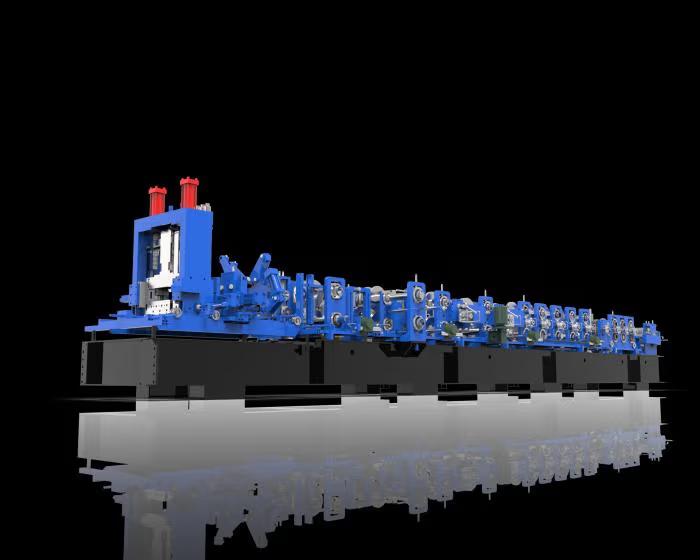
As manufacturers strive to meet higher customer expectations, product quality has become a key factor in maintaining competitiveness. Companies across the construction and industrial sectors are increasingly adopting automated production systems to improve consistency, reduce errors, and achieve more reliable manufacturing results.
Automation has transformed modern manufacturing by allowing production processes to operate with greater precision and efficiency. Supported by custom framing tools and custom machinery solutions automated production systems help manufacturers deliver high-quality products while improving overall operational performance.
The Growing Importance of Automation in Manufacturing
Modern manufacturing environments require consistent quality, faster production speeds, and efficient resource management. Manual production processes can sometimes lead to variations that affect product performance and customer satisfaction.
Automated production systems help address these challenges by maintaining precise control over manufacturing operations. As technology continues to advance, automation is becoming an essential part of quality-focused production strategies.
Benefits of Automated Production for Product Quality
Improved Accuracy
Automation helps maintain precise production settings throughout the manufacturing process, reducing variations and improving product consistency.
Consistent Manufacturing Standards
Automated systems follow programmed specifications, helping ensure that every product meets the same quality requirements.
Reduced Human Error
By minimizing manual intervention, automation helps reduce mistakes that can affect product performance and reliability.
Better Process Control
Advanced monitoring systems allow manufacturers to track production conditions in real time and make adjustments when necessary.
Enhanced Production Efficiency
Automation helps streamline workflows and maintain stable production conditions, supporting both quality and productivity goals.
Automated production systems are commonly used for:
- Steel framing components
- Construction materials
- Industrial profiles
- Roofing and wall systems
- Quality control processes
- Material handling operations
- High-volume manufacturing lines
Their flexibility makes them valuable across a wide range of industries.
Supporting Precision Manufacturing
Many manufacturers use custom framing tools to create profiles designed for specific construction and industrial applications. Automated systems help ensure these tools operate with high accuracy, resulting in more consistent product quality.
This combination of precision tooling and automation allows manufacturers to meet demanding project requirements while maintaining efficient production processes.
Choosing the Right Automation Solution
When selecting production equipment, manufacturers should consider factors such as system reliability, automation capabilities, scalability, and integration with existing operations. Advanced custom machinery solutions can help businesses improve quality control while supporting long-term production growth.
A well-designed automation strategy should balance efficiency, flexibility, and product quality to achieve the best results.
Conclusion
Automated production is playing an increasingly important role in helping manufacturers improve product quality and operational performance. Its ability to enhance accuracy, reduce errors, and maintain consistent manufacturing standards makes it a valuable investment for modern production facilities.
Whether utilizing specialized custom framing tools or advanced custom machinery solutions, manufacturers can use automation to deliver reliable, high-quality products while meeting the evolving demands of today's marketplace.