The Essential Functions of a New York Commercial General Contractor
New York City’s construction landscape is as diverse and dynamic as the city itself. Navigating this complex environment requires expertise and a deep understanding of the various facets involved in commercial construction. A New York Commercial General Contractor plays a pivotal role in bringing building projects to fruition, overseeing everything from project management to compliance and legal obligations. This article dives into the critical functions, skills, challenges, and future trends shaping the role of commercial general contractors in NYC.
Project Management Responsibilities
The primary responsibility of a commercial general contractor is project management. This encompasses planning, coordinating, and supervising construction activities to ensure that projects are completed on time and within budget. Effective project management involves a systematic approach that includes:
- Initial Planning: This stage involves defining project scope, timeline, and budget. A general contractor collaborates with architects and engineers to create a comprehensive plan that aligns with the client's vision.
- Resource Allocation: Ensuring that the right resources — including labor, materials, and equipment — are available and efficiently utilized is vital. This can require juggling multiple sub-contractors, suppliers, and construction teams.
- Progress Monitoring: Regularly assessing the progress of construction against the project plan helps identify any delays or issues early on. A skilled general contractor implements corrective measures as needed to maintain momentum.
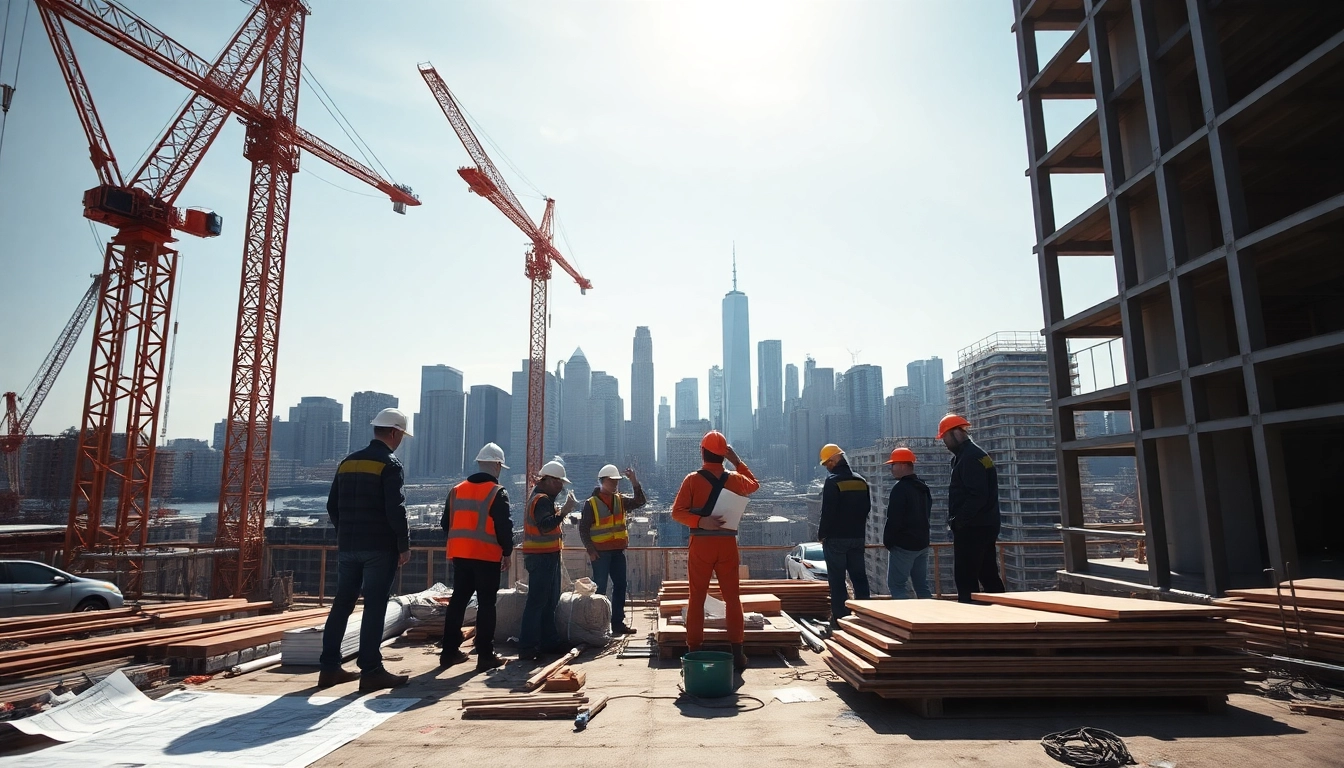
- Safety Oversight: Implementing safety protocols to protect the workforce and comply with regulations is a fundamental responsibility. Ensuring the site is safe reduces liability risks and promotes a culture of safety.
- Client Communication: Maintaining open lines of communication with clients ensures that they are kept informed and can provide feedback or make decisions throughout the project lifecycle.
Budget and Financial Oversight
Managing finances is a critical aspect of a New York Commercial General Contractor's role. This involves creating and sticking to a budget while minimizing costs without sacrificing quality. Key financial responsibilities include:
- Detailed Cost Estimation: Before commencing a project, accurate cost assessments are made based on labor, materials, and overhead. This helps prevent budget overruns and sets realistic financial expectations.
- Budget Control: Once the project is underway, continuous monitoring of expenses ensures that spending aligns with the original budget. Adjustments are made proactively to manage unexpected expenses.
- Contract Management: Managing contracts with suppliers and subcontractors involves negotiating prices, setting payment schedules, and ensuring compliance with legal and financial obligations.
- Financial Reporting: Regular financial updates are critical in keeping stakeholders informed of the project's economic health. Detailed reports aid in decision-making and transparency.
Compliance and Legal Obligations
In New York, navigating the legal landscape is essential for a commercial general contractor. This includes understanding and adhering to various building codes, zoning laws, and safety regulations. Ensuring compliance mandates:
- Licensing and Certification: Securing the necessary licenses and certifications is the first step in legal compliance. A reputable general contractor must stay updated on local regulations and industry standards.
- Building Permits: The contractor must apply for and acquire the relevant permits before work begins to avoid project delays and fines.
- Insurance and Bonding: Protection against liabilities is crucial. Contractors must carry adequate insurance and, in some cases, act as a surety for the project to protect both clients and workers.
- Adherence to Environmental Regulations: Modern construction requires awareness of environmental laws. Sustainable practices in materials and waste management are increasingly important and can affect compliance and community relations.
Key Skills Required for New York Commercial General Contractors
Success as a commercial general contractor requires a diverse skill set. The following skills are particularly critical in the competitive New York market:
Communication and Leadership
A contractor must possess strong communication and leadership skills to effectively manage teams and engage with various stakeholders. This includes:
- Team Building: Assembling a skilled team and fostering a collaborative environment boosts productivity and morale.
- Negotiation: Contractors often negotiate contracts and pricing with suppliers and subcontractors, making strong negotiation abilities vital.
- Conflict Resolution: Effective conflict resolution skills help in managing disputes, whether involving workers, clients, or subcontractors, ensuring that projects remain on track.
- Client Interactions: Regularly communicating project progress, addressing concerns, and managing expectations is critical for client satisfaction.
Technical Knowledge and Expertise
Technical proficiency in construction methods, materials, and project management software is essential. This technical knowledge enables contractors to:
- Understand Architectural Plans: Ability to interpret plans and specifications accurately ensures that projects adhere to design intent.
- Implement Modern Construction Techniques: Familiarity with contemporary building practices helps enhance efficiency and quality.
- Utilize Construction Software: Proficiency in construction management software streamlines project planning, tracking, and budgeting.
Problem-Solving and Adaptability
The construction environment can be unpredictable, requiring contractors to be agile in their approach. Effective problem-solving skills enable them to:
- Identify Issues Early: Proactive monitoring of project phases helps catch potential problems before they escalate.
- Implement Effective Solutions: Whether adapting to unforeseen site conditions or responding to supply chain delays, quick thinking and resourcefulness are crucial.
- Adjust Plans as Necessary: Flexibility in modifying project plans in response to evolving circumstances is important to keep projects on schedule.
Common Challenges Faced by New York Commercial General Contractors
Despite their expertise, commercial general contractors in New York face various challenges that can impact project delivery. Recognizing these challenges can lead to effective solutions.
Navigating Local Regulations
New York’s stringent regulations can pose significant challenges. Contractors must remain informed about the latest laws and codes, necessitating ongoing education and training. Frequent changes can lead to confusion, risking compliance issues.
Managing Client Expectations
Client expectations can often be unrealistic, especially in a bustling market. Effective communication is paramount. Contractors must set clear objectives and realistic timelines while being transparent about potential obstacles and costs.
Addressing Supply Chain Issues
Recent global events highlighted the vulnerabilities in supply chains. Contractors need to develop robust relationships with suppliers and maintain flexibility to address delays or shortages quickly. Contingency planning and diversified sourcing are strategies to mitigate these risks.
Best Practices for Hiring a New York Commercial General Contractor
For businesses looking to embark on construction projects, hiring the right general contractor is crucial. Following best practices can lead to successful collaborations.
Assessing Credentials and Experience
Start by evaluating the contractor's credentials, which include certifications, licensing, and insurance. Experience in similar projects is a significant indicator of their capability. Assessing their past performance can provide insight into their reliability and quality of work.
Reviewing Past Projects
Requesting case studies or portfolios allows potential clients to gauge the contractor's level of expertise and style. Visit completed projects if possible to assess quality and client satisfaction firsthand.
Interviewing Potential Candidates
Conducting thorough interviews can reveal a lot about a contractor’s communication style and approach to project management. Inquire about their process, timeline management, and how they handle challenges, as this will indicate their ability to meet your needs effectively.
The Future of the New York Commercial General Contractor Landscape
As the construction industry continues to evolve, several trends are emerging that will shape the future of the New York Commercial General Contractor landscape.
Trends in Sustainable Construction
With increasing awareness of environmental impacts, sustainability in construction is becoming paramount. General contractors who incorporate green building practices and sustainable materials will gain a competitive edge. Awareness of LEED (Leadership in Energy and Environmental Design) certifications and energy-efficient systems will become common expectations in client discussions.
Technological Advancements in the Industry
The integration of technology in construction processes is revolutionizing project management. Emerging tools, such as Building Information Modeling (BIM), drone surveying, and project management software, enhance accuracy and efficiency. Contractors must stay ahead of these trends to leverage technology effectively.
The Impact of Economic Factors on Construction
The construction sector is sensitive to economic fluctuations, including interest rates, material costs, and labor availability. Contractors will need to remain agile, adjusting to market conditions and anticipating shifts in demand to remain viable. Cultivating strong relationships with stakeholders can help mitigate adverse impacts as the economy evolves.
In conclusion, the role of a New York Commercial General Contractor is multidimensional and continuously evolving. By mastering project management skills, navigating challenges, and adapting to industry trends, these professionals remain at the forefront of the state’s construction landscape, driving innovation and quality in urban development.