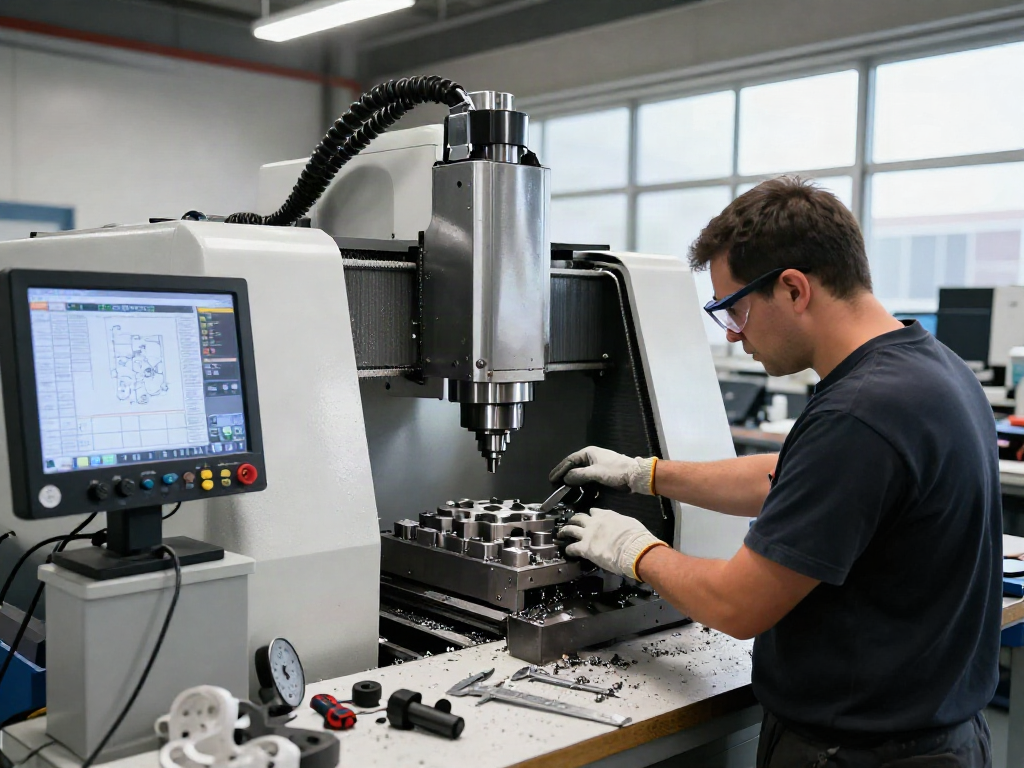
Understanding Precision CNC Machining
Precision CNC machining is a cornerstone of modern manufacturing, encompassing a range of techniques that allow for the production of intricate components with high accuracy. This advanced form of machining utilizes computer numerical control (CNC) technology to automate the processes, enabling manufacturers to create parts that meet exact specifications consistently. As industries evolve and the demand for high-quality components grows, understanding the nuances of CNC machining becomes essential for businesses looking to thrive in the competitive landscape of 2026.
What is Precision CNC Machining?
At its core, precision CNC machining involves the use of computers to control machine tools for shaping materials such as metal, plastic, and composites. The CNC machine follows programmed instructions that dictate every movement, resulting in parts that can achieve tolerances of ±0.001 inches or even tighter, depending on the application. This process can include various operations such as milling, turning, grinding, and electrical discharge machining (EDM).
Key Benefits of Using Precision CNC Machining
- High Accuracy: CNC machines replicate designs with remarkable precision, ensuring that each part produced meets stringent quality standards.
- Increased Efficiency: Automation significantly reduces production times and minimizes human error, leading to faster turnaround times.
- Complex Geometries: CNC machining can produce highly complex parts that would be impossible or extremely costly to manufacture using traditional methods.
- Cost-Effectiveness: While the initial investment may be high, the long-term savings from reduced waste and increased productivity can be substantial.
- Flexibility: Rapid reprogramming capabilities allow manufacturers to switch between different products with minimal downtime.
Applications in Various Industries
Precision CNC machining is utilized across a multitude of sectors, reflecting its versatility. Industries such as aerospace, automotive, medical, and electronics rely on precision components for their operations. For instance:
- Aerospace: Components such as turbine blades and structural parts require high precision and can be produced through CNC machining processes.
- Medical: Devices such as surgical instruments and implants demand extreme accuracy and repeatability, qualities inherent in CNC machining.
- Automotive: From engine parts to intricate electronic housings, CNC machining is critical for producing reliable automotive components.
- Electronics: CNC machining produces enclosures and connectors that ensure the functionality and safety of electronic devices.
Choosing the Right Precision CNC Machining Supplier
When selecting a precision cnc machining supplier, several factors must be considered to guarantee that you partner with a company that aligns with your operational goals.
What to Look for in a Precision CNC Machining Supplier?
Identifying the right supplier involves assessing various criteria:
- Experience: Look for suppliers with a proven track record in your specific industry.
- Capabilities: Ensure that the supplier possesses a range of equipment and technologies to meet your manufacturing needs.
- Certifications: Suppliers should have relevant industry certifications, such as ISO 9001, indicating their commitment to quality management.
- Customer Support: Quality customer service can help address issues promptly and efficiently.
Evaluating Supplier Capabilities and Technologies
Not all CNC machining suppliers are created equal, and their capabilities can vary widely. When evaluating potential suppliers, consider:
- Machining Technologies: Suppliers should utilize state-of-the-art machinery and software to ensure precision and efficiency.
- Material Handling: An understanding of materials and their machining characteristics is crucial for producing quality parts.
- Scalability: Assess whether the supplier can scale production up or down based on demand fluctuations.
Questions to Ask Potential Suppliers
Engaging in dialogue with potential suppliers can provide insights into their operations and capabilities. Consider asking the following questions:
- What is your lead time for a typical order?
- Can you provide case studies or references from previous clients?
- What technologies do you use for quality control?
- How do you handle material sourcing and inventory management?
Best Practices for Working with Precision CNC Machining Suppliers
Once you've chosen a supplier, establishing effective communication and collaboration is crucial for success.
How to Communicate Your Requirements Effectively
Clear communication is key to ensuring that your specifications are met. Provide detailed drawings and specifications while being open to feedback from your supplier to refine the manufacturing process.
Common Mistakes to Avoid During the Collaboration
Some common pitfalls include:
- Failing to provide comprehensive design documents.
- Not setting clear expectations for delivery times.
- Ignoring the supplier’s input on manufacturability.
Establishing Quality Control Measures
Quality control is integral to maintaining high standards. Set up regular inspections and feedback loops to address any issues promptly, ensuring that the final product meets design specifications.
Measuring Success and Performance Metrics
To understand the efficiency and effectiveness of your CNC machining operations, it’s crucial to use performance metrics.
Key Performance Indicators for CNC Machining
Some KPIs to consider include:
- Production Efficiency: Measures how much of the time spent is productive.
- Quality Assurance: Tracks defect rates and customer complaints.
- On-Time Delivery: Evaluates how often products are delivered on schedule.
Assessing Supplier Performance Over Time
Regular reviews of supplier performance against the established KPIs can help maintain high standards and foster improvements.
Using Feedback for Continuous Improvement
Solicit feedback from stakeholders within your organization as well as from the supplier, and use this data to iterate on processes and reduce inefficiencies.
Future Trends in Precision CNC Machining
The landscape of CNC machining is evolving, influenced by technological advancements and industry demands. Staying informed about future trends will be essential for maintaining a competitive edge.
Emerging Technologies and Innovations
Many new technologies are shaping the future of CNC machining, including:
- Machine Learning: AI can optimize machining processes based on historical data, enhancing efficiency.
- 3D Printing Integration: Combining CNC machining with additive manufacturing for more complex geometries.
- IoT Connectivity: Smart machines equipped with IoT technology can provide real-time data and analytics.
Predictions for the CNC Machining Industry in 2026
Analysts predict that by 2026, CNC machining will become even more automated, with greater reliance on robotics and AI, resulting in higher productivity and reduced operational costs.
How to Stay Ahead in the Competitive Landscape
Continuous adaptation and embracing change will be vital. This includes upgrading technology, investing in employee training, and building strong relationships with suppliers.
What is the importance of precision in CNC machining?
Precision ensures that parts fit together correctly, minimizing defects and increasing the longevity of the final product. It also enhances the performance of components, particularly in high-stakes industries such as aerospace and medical devices.
How can you ensure quality in CNC machining?
Quality can be ensured through rigorous testing, adherence to design specifications, regular supplier audits, and incorporating feedback loops into the production process.
What factors affect the cost of CNC machining services?
Factors such as material choice, complexity of the design, production volume, and machining time can all significantly influence the cost of CNC machining services.
What are the latest technologies in CNC machining?
Recent technologies include 5-axis machining, automation through robots, and advanced CAM software, all of which contribute to higher precision and flexibility.
How to select a reliable CNC machining supplier?
Evaluate their experience, technologies, certifications, and customer reviews to ensure they align with your quality and production needs.