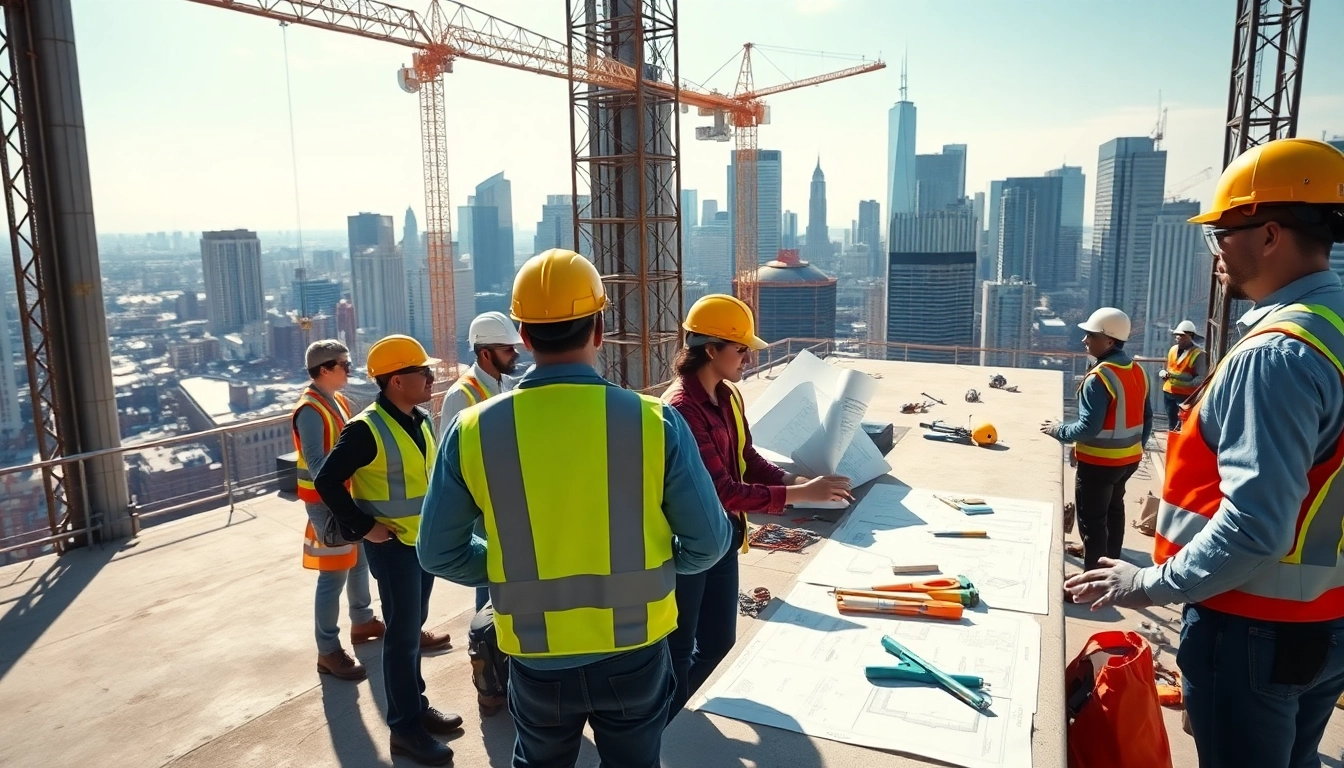
Understanding the Role of a New York City General Contractor
When embarking on a construction or renovation project in the bustling environment of New York City, understanding the pivotal role of a New York City General Contractor is essential. General contractors serve as the driving force behind construction endeavors, ensuring that projects are executed on time and within budget while maintaining the highest standards of quality. In this article, we'll delve into the myriad responsibilities of a general contractor, explore the types of projects they handle, and discuss the necessary skills and qualifications they must possess.
What Does a General Contractor Do?
A general contractor acts as the main point of contact between the client and the construction team. They oversee all aspects of the project from initiation to completion. This typically includes:
- Project Planning: Developing a roadmap that outlines the project timeline, budget, and material requirements.
- Hiring Subcontractors: Selecting skilled tradespeople, such as electricians, plumbers, and carpenters, to perform specific tasks within the project.
- Managing Budgets: Ensuring that the project remains financially viable by tracking expenses and making adjustments as necessary.
- Safety Compliance: Adhering to local regulations and safety standards to protect workers and the public during the construction process.
- Quality Control: Conducting regular inspections to ensure that the work meets the required standards and specifications.
Types of Projects Handled
General contractors in New York City may handle a variety of projects, which can be categorized into several key areas:
- Residential Construction: This includes building new homes, home renovations, and additions, catering to the needs of individual homeowners.
- Commercial Construction: Involves constructing or renovating office buildings, retail spaces, and other commercial properties.
- Public Projects: These projects often include schools, hospitals, and government buildings, driven by public funding and subject to specific regulatory requirements.
- Specialty Projects: Certain contractors may specialize in unique constructions, such as green building projects or historic restorations.
Key Skills and Qualifications
The responsibilities of a general contractor demand a diverse skill set and relevant qualifications. Essential skills include:
- Project Management: Expertise in managing timelines, budgets, and team coordination is crucial for project success.
- Communication: A general contractor must effectively communicate with clients, subcontractors, and suppliers.
- Problem-Solving: Challenges will inevitably arise during construction, so strong analytical skills are needed to find effective solutions quickly.
- Technical Knowledge: Understanding construction methodologies, materials, and regulations in New York City is critical.
How to Choose the Right New York City General Contractor
Choosing the right general contractor can significantly impact the overall success of your project. Here are some considerations to keep in mind during the selection process:
Assessing Experience and Expertise
When evaluating potential general contractors, consider their experience in managing projects similar to yours. Look for contractors who have a proven track record in:
- Project Type: Ensure the contractor has experience with your specific type of project, whether it's residential, commercial, or public.
- Project Scale: Evaluate whether they have handled projects of similar size and complexity.
- Innovation & Adaptability: Consider their ability to adapt to new techniques and technologies in construction.
Evaluating References and Past Projects
Request references from former clients and investigate completed projects. Questions to ask references include:
- Was the project completed on time and within budget?
- How well did the contractor communicate throughout the process?
- Were any disputes or challenges resolved satisfactorily?
Understanding Licensing and Insurance Requirements
Ensure your chosen general contractor is fully licensed as per New York City regulations. Verify that they carry adequate insurance coverage, including:
- General Liability Insurance: Protects against accidents or damage during construction.
- Workers' Compensation Insurance: Covers any injuries that occur to workers on site.
Cost Factors When Hiring a New York City General Contractor
Understanding the cost implications associated with hiring a general contractor is essential for effective budget management. Factors influencing costs include:
Budget Planning for Your Project
Before engaging a contractor, develop a comprehensive budget that includes:
- Labor costs
- Material costs
- Permitting and inspection fees
- Contingency funds for unexpected expenses
Common Pricing Structures
General contractors may offer different pricing models, including:
- Cost Plus Fee: The contractor bills the actual cost of materials and labor plus an agreed-upon fee.
- Fixed Price/ Lump Sum: A set price for the entire project agreed upon before starting.
- Time and Materials: Billing based on the actual time spent on the project plus the cost of materials.
Negotiating Contract Terms
Once you select a contractor, negotiations are critical. Ensure you discuss:
- The scope of work and responsibilities
- Payment schedules and conditions
- Change order procedures and any fees associated with modifications to the initial agreement
Best Practices for Working with a New York City General Contractor
Collaboration with your general contractor is paramount. Here are some best practices to enhance your working relationship:
Effective Communication Strategies
Maintain open lines of communication throughout the project. Techniques include:
- Regular check-ins and progress updates
- Clear articulation of expectations and concerns
- Utilizing project management tools to track progress
Managing Project Timelines and Milestones
Work with the contractor to establish a timeline with clear milestones. This includes:
- Defining key phases of the project and deliverables
- Setting deadlines for each phase to keep the project on track
Handling Changes and Updates
Changes are often inevitable in construction projects. Develop a system for handling changes that includes:
- A process for submitting and approving change requests
- Clear documentation of changes that impact cost and timelines
Assessing the Success of Your Project with a New York City General Contractor
After project completion, evaluate the results against predefined success criteria. Consider the following:
Performance Metrics and Deliverables
Assess whether the project met its objectives, including:
- Quality of the completed work
- Adherence to budget and timelines
- Client satisfaction and stakeholder feedback
Lessons Learned for Future Projects
Reflect on the project experience to identify learnings, such as:
- What went well and what could be improved?
- How effective was the collaboration with the contractor?
Building Long-Term Relationships
If your experience was positive, consider fostering a long-term relationship with your general contractor for future projects. Strategies include:
- Offering feedback and testimonials
- Maintaining contact for potential future collaborations