
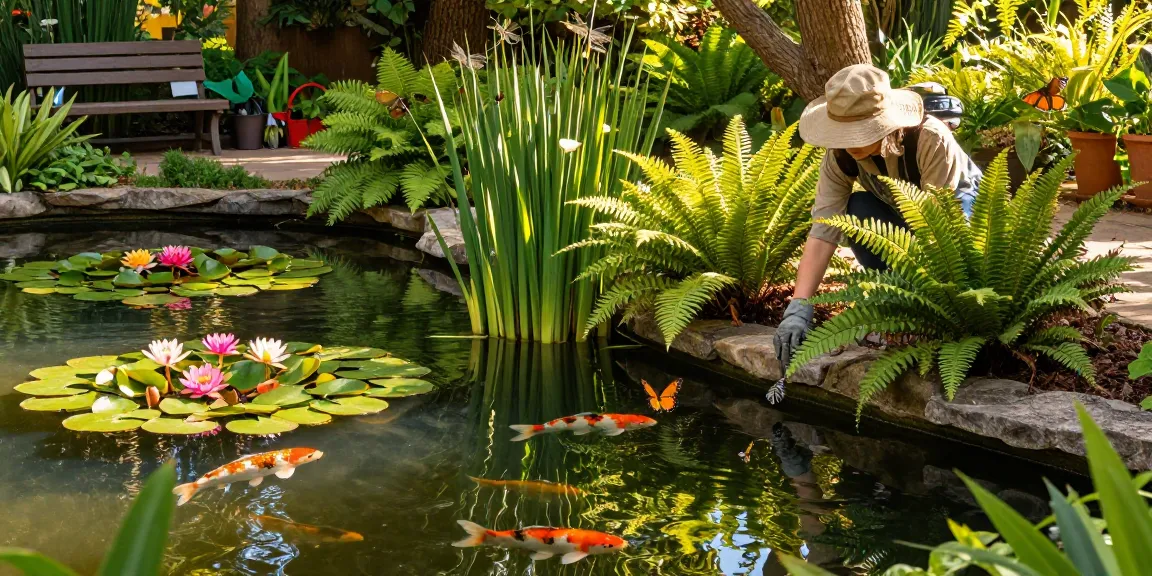
Understanding the Importance of Pond Plants in Your Garden
Pond plants play an essential role in creating a balanced and vibrant aquatic ecosystem. Not only do they enhance the natural beauty of your garden, but they also offer numerous ecological benefits that can improve the health of your pond and the surrounding environment. When exploring options, Pond Plants are fundamental in supporting wildlife, improving water quality, and providing shelter for fish and amphibians.
What Are Pond Plants and Their Benefits?
Pond plants, also known as aquatic plants, are a diverse group of flora that thrive in water bodies. These plants are categorized into several groups based on their habitats, including submerged, emergent, and floating plants. Each type plays a unique role within the ecosystem, contributing significantly to the overall health of the pond.
- Water Quality Improvement: Pond plants absorb excess nutrients, which helps prevent algae growth and maintain clear water.
- Habitat Creation: They provide shelter and breeding grounds for aquatic life, enhancing biodiversity.
- Oxygen Production: Photosynthesis in pond plants adds oxygen to the water, supporting fish and other wildlife.
- Aesthetic Appeal: A well-planned assortment of pond plants can elevate the visual charm of any garden.
Types of Pond Plants to Consider for Your Garden
There are various types of pond plants, each suited to different positions and water conditions. Understanding the types you can use will allow you to tailor your planting strategy effectively.
- Submerged Plants: These plants, such as Elodea or Hornwort, grow entirely underwater, providing oxygen and habitat for fish.
- Emergent Plants: Plants like cattails and bulrushes grow in shallow water and emerge above the surface, acting as natural filters.
- Floating Plants: Water lilies and duckweed float on the surface and shade the water, helping to control temperature and algae growth.
How Pond Plants Enhance Aquatic Ecosystems
Pond plants serve multiple functions that go beyond mere aesthetics. By filtering pollutants and providing habitat, they create a supportive environment for aquatic life.
- Filtration: Aquatic plants absorb chemicals and nutrients that could be harmful in high concentrations, such as nitrates and phosphates.
- Biodiversity Support: A variety of plants supports diverse species, from insects to amphibians, creating a balanced ecosystem.
- Carbon Sequestration: Pond plants help reduce carbon levels in the atmosphere by absorbing carbon dioxide during photosynthesis.
Choosing the Right Pond Plants for Your Climate
Selecting the right pond plants depends largely on your local climate and the specific conditions of your pond. Understanding these factors will help ensure that your plants not only survive but thrive.
Assessing Your Local Climate and Water Conditions
Pond plants have varying requirements in terms of temperature, light, and moisture. Before planting, assess the following:
- Temperature: Identify the hardiness zone of your area to select plants that can withstand your climate.
- Sunlight: Determine how much sunlight your pond receives daily; some plants require full sun while others thrive in shade.
- Water Depth: Understand the depth of your pond; some plants prefer shallow water, while others can be fully submerged.
Best Pond Plants for Cold and Warm Climates
Knowing the appropriate pond plants for your climatic zone is crucial. Here are some recommendations:
- Cold Climates: Varieties such as Water Lilies and Blue Flag Iris are hardy and can survive frosty conditions.
- Warm Climates: Tropical plants like Lotus and Water Hyacinths flourish in warmer ponds and can quickly cover the surface.
How to Select Hardy vs. Tender Pond Plants
Choosing between hardy and tender plants can dramatically affect your pond’s ecosystem. Hardy plants can survive seasonal changes, while tender plants need more stable conditions:
- Hardy Plants: Typically, these are perennials that return year after year, such as Siberian Iris.
- Tender Plants: Often annuals that must be replaced each year, like certain varieties of Water Lily.
Planting and Caring for Your Pond Plants
Successfully planting and maintaining pond plants requires careful planning and ongoing care. By following best practices, you can ensure a thriving aquatic garden.
Preparing Your Pond for Planting
Before planting, prepare your pond by ensuring optimal conditions:
- Create designated planting zones based on depth and plant types.
- Clear debris from the water surface to encourage growth and prevent pests.
- Consider using planting baskets filled with nutrient-rich soil to provide stability and nutrients.
Water Quality and Nutrient Management
Monitoring water quality is crucial for the health of your pond plants. Key factors include:
- pH Levels: Maintain a pH between 6.5 and 8.5 for optimal growth.
- Nutrient Levels: Test for excess nutrients which can lead to algae blooms; consider using aquatic fertilizers wisely.
- Temperature: Keep water temperatures stable, as sudden fluctuations can stress aquatic plants.
Seasonal Care Tips for Thriving Pond Plants
Different seasons demand different care practices:
- Spring: Fertilize and remove any debris to promote new growth.
- Summer: Regularly check water levels and quality, especially during heat waves.
- Fall: Trim back dead foliage and prepare tender plants for winter.
- Winter: Some plants may need to be brought indoors or protected from freezing temperatures.
Common Challenges with Pond Plants and Solutions
While pond plants are generally resilient, they can face challenges that may hinder their growth. Here are common issues and solutions:
Dealing with Algae Growth and Water Clarity
Algae can quickly take over your pond, making it look unappealing and choking out your plants. To manage this, consider:
- Introducing more submerged plants to compete for nutrients.
- Using UV sterilizers to inhibit algae growth.
- Regular pond maintenance, including water changes and nutrient management.
Pest Control: Protecting Your Pond Plants
Pests can damage your pond plants significantly. Effective pest management strategies include:
- Encouraging natural predators like ladybugs and dragonflies.
- Utilizing barriers and netting to protect vulnerable plants.
- Applying organic pesticides when necessary, ensuring they are safe for aquatic life.
Addressing Plant Disease Issues Effectively
Plant diseases can occur due to poor water quality or environmental stress. Common symptoms to watch for include yellow leaves or stunted growth. Solutions involve:
- Assessing and adjusting water conditions promptly.
- Removing affected plants to prevent the spread of disease.
- Regularly replacing soil in planting containers to reduce pathogens.
Future Trends in Pond Plant Landscaping for 2026
The future of pond plant landscaping is set to evolve, with innovative practices gaining traction. Here’s what to look forward to in 2026:
Innovative Plant Varieties for Modern Gardens
As gardening trends shift towards sustainability, new plant varieties are emerging that are specifically designed for efficiency:
- Hybrid aquatic plants that are more resilient to climate change.
- Varieties that require less maintenance and can thrive in varied water conditions.
Integrating Technology with Pond Gardening
Technology is making its way into pond gardening, helping enthusiasts manage their gardens more efficiently:
- Smart sensors for monitoring water quality and temperature.
- Automated systems for controlling water levels and managing nutrients.
Creating Sustainable Pond Ecosystems
Eco-friendly practices will become more prevalent as gardeners strive for sustainability:
- Utilizing native plant species to promote biodiversity.
- Implementing rainwater harvesting systems to supply water to ponds.
What Are the Best Pond Plants for Attracting Wildlife?
Choosing suitable pond plants can transform your garden into a wildlife haven. The following plants are ideal:
- Water Lilies provide shade for fish and insects.
- Pickerel Rush attracts butterflies and other pollinators.
How to Keep Pond Plants Healthy Year-Round?
Maintaining healthy pond plants requires ongoing attention:
- Regularly test and adjust water conditions.
- Rotate plants seasonally to prevent overcrowding.
- Apply organic fertilizers to support growth without harming aquatic life.
Can Pond Plants Help Reduce Water Pollution?
Pond plants have a remarkable ability to absorb pollutants, making them critical in water purification. They can:
- Filter out heavy metals and harmful chemicals.
- Stabilize sediment to prevent runoff during rainstorms.
What Are the Most Popular Pond Plants in 2026?
The popularity of certain pond plants shifts based on trends and climate adaptability. In 2026, look for:
- Lotus: Prized for their beauty and hardiness.
- Blue Flag Iris: Appreciated for their vibrant blooms and ecological benefits.