Understanding the Benefits of a Full Black Screen
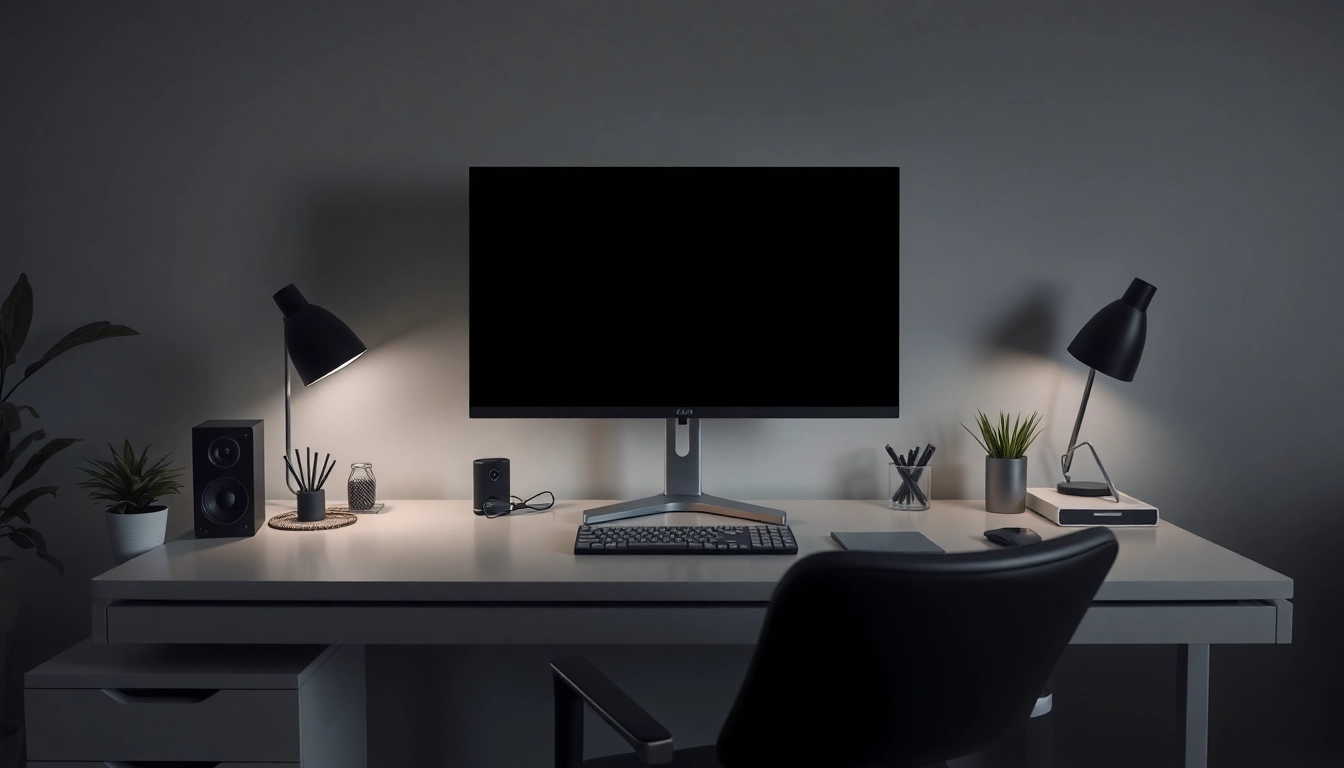
A full black screen is more than just an aesthetic choice; it's a powerful tool that can significantly enhance focus, energy efficiency, and overall comfort when interacting with digital displays. By absorbing light rather than reflecting it, a black screen can create an environment conducive to concentration and relaxation. In a world where distractions are everywhere, utilizing this simple yet effective method can help mitigate visual strain and create a more serene workspace. Whether you're working, studying, or relaxing, understanding how a full black screen can benefit you is crucial. When exploring options, full black screen tools are vital for achieving this balance.
How a Full Black Screen Enhances Focus
One of the most significant advantages of implementing a full black screen is the enhancement of focus. Studies have shown that visual clutter can lead to distractions, making it more challenging to concentrate on tasks. A black screen minimizes visual distractions by eliminating bright colors and excessive contrasts that can pull attention away. This is particularly beneficial in situations such as:
- Studying—creating a focused environment for absorbing material.
- Working—reducing distractions during critical tasks.
- Gaming—immersing players by reducing environmental light reflections.
Energy Savings and Eye Comfort with Black Screen Tools
Energy efficiency is another essential benefit of using a full black screen, particularly on devices with OLED and AMOLED displays. These technologies allow pixels to turn off completely when displaying black, saving power and extending battery life. Not only does this contribute to more sustainable energy consumption, but it also ensures that users experience less eye strain during prolonged screen time. By reducing glare and harmful blue light exposure, a black screen creates a healthier viewing situation.
Common Uses for Full Black Screens in Daily Tasks
The versatility of full black screens means they can be used in various scenarios. Here are some common applications:
- Cleaning Displays: A black screen reveals dust and smudges, making it easier to clean.
- Testing Equipment: Black screens are useful for diagnosing display issues, such as dead pixels.
- Improving Sleep: Utilizing a black screen before bedtime can create a calming effect and limit exposure to bright light.
How to Use a Full Black Screen Effectively
Getting the most out of your full black screen is simple when you follow a few straightforward steps. Whether you are a student, a professional, or a casual user, understanding how to implement this feature can elevate your digital experience.
Step-by-Step Guide to Set Up Your Full Black Screen
- Visit a dedicated black screen tool website.
- Select the option for full-screen mode.
- Adjust brightness settings as necessary for eye comfort.
- Utilize keyboard shortcuts (like F11 or ESC) to enter and exit full-screen mode quickly.
Integrating Full Black Screens with Multiple Monitors
For users with multiple monitor setups, applying a full black screen can improve focus across all displays. By strategically positioning black screens on non-primary monitors, you can minimize distractions while keeping essential tasks visible. Here’s how:
- Open a browser tab for each monitor you wish to darken.
- Load the black screen tool on each tab.
- Organize your workflow to utilize each monitor efficiently.
Tips for Adjusting Brightness and Contrast
Optimal brightness and contrast settings are crucial for comfortable viewing. Consider the following tips:
- Reduce screen brightness to minimize glare.
- Adjust monitor settings to achieve maximum color fidelity with minimal strain.
- Consider ambient lighting—using a black screen in a dark room can enhance focus without harsh reflections.
Comparing Full Black Screen Tools: Features and Benefits
As the demand for digital tools increases, many online services offer solutions for achieving a full black screen. Knowing how to differentiate between them can help you select the one that best meets your needs.
Top Online Tools for Achieving a Full Black Screen
Several popular tools can help users access a full black screen. Some noteworthy options include:
- Pink Screen's Full Black Screen Tool: Offers high-quality visuals without ads.
- AllBlackScreen.com: Provides a straightforward interface for a quick black screen solution.
- Blackscreen.space: Tailored for various color screens, including black.
Comparative Analysis of Free versus Professional Options
While many tools are free, professional options may provide additional features, such as customizable screen colors and dedicated support. Here’s a quick comparison:
- Free Tools: Generally offer basic features with no costs involved.
- Professional Tools: May charge a fee but often come with advanced capabilities and support options.
User Reviews and Insights on Full Black Screen Tools
User feedback is invaluable when evaluating full black screen tools. Look for reviews that mention usability, effectiveness in reducing eye strain, and overall satisfaction with the tool's performance. Platforms like forums and review sites are great places to gather insights from other users' experiences.
Troubleshooting Common Issues with Full Black Screen Usage
Even with straightforward tools, users may encounter issues. Knowing how to troubleshoot can enhance your experience.
What to Do When the Full Black Screen Isn't Working
If you find your full black screen isn't appearing correctly, try the following:
- Refresh the page or try a different browser.
- Check your monitor settings to ensure they're correctly adjusted.
- Clear your browser's cache and cookies.
Common Misconceptions About Full Black Screen Tools
Many misconceptions exist regarding black screen tools. Some users believe these tools are primarily for gaming or streaming, but they also provide significant benefits for productivity and comfort across various applications.
Addressing Concerns About Eye Strain
While black screens can help alleviate eye strain, it's important to take regular breaks and adhere to the 20-20-20 rule: every 20 minutes, look at something 20 feet away for 20 seconds. This practice, combined with black screen usage, can further reduce discomfort.
The Future of Screen Technology: Trends for 2025 and Beyond
As screen technologies evolve, so too will their applications. Emerging trends promise to enhance the experience of using full black screens.
Emerging Technologies Enhancing the Full Black Screen Experience
Innovations in display technology, such as improved OLED screens, will make full black screens even more efficient in terms of energy consumption and eye comfort. Additionally, AI-driven tools will likely offer personalized settings based on user behavior.
How OLED and AMOLED Screens Affect Energy Use
As discussed earlier, OLED and AMOLED screens utilize light in unique ways that drastically reduce energy consumption when displaying black. This trend will only grow as manufacturers incorporate advanced technologies to improve screen capabilities.
Predictions for the Role of Black Screens in Remote Work
Remote work is becoming a staple of modern employment. The utilization of full black screens will likely expand in this context, providing workers with a distraction-free environment conducive to high productivity. Expectations include further integration into virtual meeting tools and collaborative platforms.